
 Ivana Poku
 “I didn’t feel love when I first met my babies.”
It’s the sentence I never thought I’d say, and the truth I was terrified to admit.
Our twin boys were born via emergency C-section, and I couldn’t wait to meet them.
I had imagined that magical rush of love everyone promised: the fireworks, the tears of joy, the instant connection.
But when the moment came… I didn’t feel anything special.
No rush of love, no fireworks.
Just numbness.
I felt like a complete failure, like a horrible mother.
From that day on, every moment felt like another reminder that I was failing.
I had no idea what to do.
I didn’t feel like a mother.
Sometimes, I even regretted having children at all.
It was overwhelming beyond wordsm and before long, I was convinced my family would be better off without me.
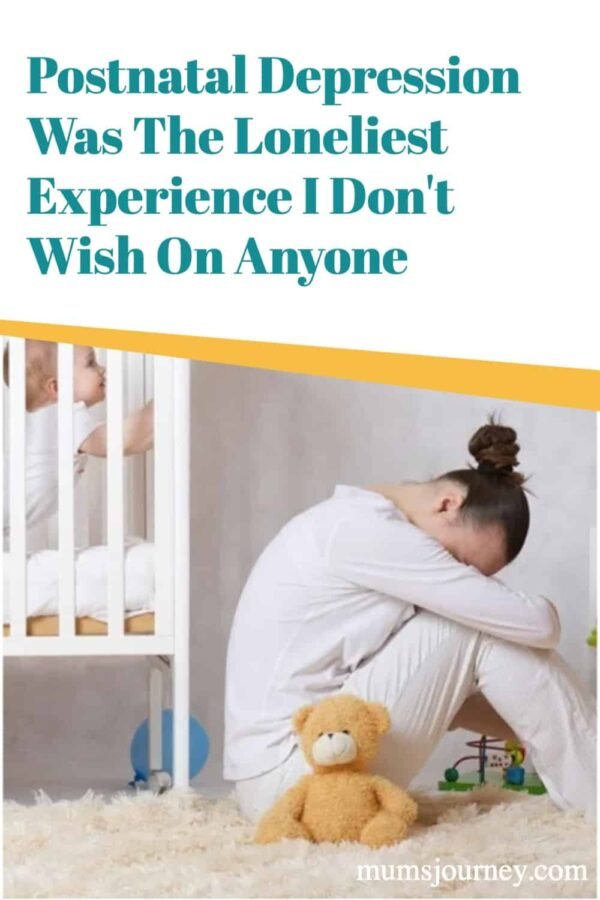
I compared myself to every other mum I saw and felt utterly useless and hopeless.
I thought everyone else was having a great time with their baby, just not me.
There were moments I even wished I wouldn’t wake up.
The only person who knew how I felt was my husband, Yaw.
If it wasn’t for him, I don’t think I would still be here today.
From the rest of the world, I was hiding. I would post happy pictures on Instagram, pretending to be the joyful mum I thought I “should” be, but inside, I was screaming.
The First Shift in Postnatal Depression Recovery
When our twins were a few months old, I experienced my first shift, although I didn’t realise its importance right away.
During one of my lowest moments, my husband Yaw and I went out for a walk with the twins.
As I poured my heart out to him about how low I felt, he listened carefully and then said:
“You spend 12 hours a day alone with the twins while I’m at work. We live far from friends and family. We have colicky twins who scream and cry practically all the time. Of course you’re feeling low. How could you not?”
In that moment, it felt like a heavy weight lifted off my shoulders.
For the first time, I felt seen.
Instead of trying to cheer me up or “fix” me, Yaw let me feel what I was feeling.
He allowed me to feel my feelings.
For the first time since becoming a mum, I felt deep compassion towards myself.
Of course I’m not OK. How could I be?
This was incredibly liberating
The Day I Spoke Up and Started Healing
How Long Does Postnatal Depression Last?
I was shocked that no one had told me how it really feels to be a new mum, that it’s not all sunshine and rainbows.
If I had known, I wouldn’t have felt like a failure, I wouldn’t have struggled in silence, and I might have even avoided postnatal depression, or at least not let it escalate to the lengths it did.
I became determined to help other mums not feel the way I did.
I got antidepressants, which didn’t heal me but allowed me to function, so that I wouldn’t cry all the time or feel completely powerless.
I started my MumsJourney blog to help other mums see they are not alone and to talk about the truths of motherhood people don’t discuss.
This gave me purpose outside of motherhood. Suddenly, I wasn’t “just a mum.”
I began collecting real “behind the scenes” stories from other mums, where they bravely shared how they felt in the first weeks of motherhood, the challenges they faced, and what helped them.
I put them together in a book, released in 2019 under the title Motherhood – The Unspoken.
I started going to the gym and learning to put myself first, without guilt.
Every day, I would give myself more love and compassion.
And when the boys were around one years old, I started to feel like me again.
I started enjoying more time with the boys, especially as they grew and became more independent.
I began looking forward to the future again.
Today, even though we still have challenges, sometimes even bigger than before, I feel happy and alive.
I still have hard days (many of them!), but I wouldn’t trade my life for anything.
Can We Prevent Postnatal Depression?
I believe so, yes.
You see, wat too many new mums struggle in silence, and I am convinced that one of the main reasons is poor education about life after baby and postnatal mental health.