 Ivana Poku
 Many new mums ask: is the newborn stage the hardest part of motherhood?
The newborn phase can be brutally hard, and no one really explains just how much your life changes.
For most parents, the first six to eight weeks are the toughest – running on almost no sleep while your whole world flips upside down overnight.
If you’re wondering whether the newborn stage is the hardest, the short answer is YES. One hundred percent, absolutely, undeniably yes. But not for the reasons people usually tell you.
You’ve probably seen those social media posts comparing baby stages – the newborn phase is “easier” because babies can’t walk, talk, or dump spaghetti on the ceiling fan.
Sure, on paper it looks easier: they’re tiny, mostly stationary, and sleep a lot (in theory).
But those posts miss the point. Completely.

What makes the newborn stage so hard isn’t the baby.
It’s not the feeding, the nappies, or even the crying – though yes, that 3am jackhammer in your brain is not pleasant.
But what makes the newborn stage the hardest is the shock to your system, the complete upheaval of your life.
In this post, I share:
-
Why the newborn stage feels so tough
-
Tips and support to survive the early weeks
-
How to make life as a new mum a little easier, fast
But first, hello! I’m Ivana, mum of three (including twins), founder of Mumsjourney, mentor, and author of Motherhood: The Unspoken.
I’m also a postnatal depression survivor, and since coming through it, I’ve made it my mission to help other mums feel heard, supported, and less alone.
Now, with that out of the way, let’s get into it!
What makes the newborn phase really tough
The newborn stage is like a silent earthquake.
Your life splits down the middle overnight. And you’re just standing there, holding a baby in one arm and crying crocodile tears in the other.
Nothing prepares you for that.
No antenatal class. No baby book. No one’s Instagram reel with matching muslins.
You become a mum in an instant, but your mind takes months to catch up.
You grieve, and you don’t even know that’s what’s happening.
You grieve your freedom, the old version of you, your spontaneity.
You grieve you – the woman who didn’t have to plan a shower like it’s a GP appointment.
And no one tells you it’s okay and natural to feel that way.
Why the early newborn weeks are the most challenging
For many parents, the hardest newborn weeks are the first six to eight weeks after birth.
You are sleep deprived, you have no time for you, all you do is feed or change nappies, and your hormones are all over the place.
This combination is why so many parents say the newborn stage is so hard – even if their baby is relatively calm.
(Which, let’s be honest, most babies aren’t.)
One minute you’re in love with your baby’s little fingers, the next you’re sobbing.
You don’t know what day it is, you can’t remember when you last washed your hair, and if someone says “sleep when the baby sleeps” one more time, you might throw a muslin at their face.
And through all this?
You’re supposed to smile…
Say how “blessed” you feel…
Pretend you’re not secretly Googling, Is it normal to regret having a baby?
(Spoiler: it is.)
None of this makes you a bad mum.
It makes you a mum.
A human.
You feel like you’re living on autopilot
In those early months, life can feel mechanical.
Feed. Wind. Nappy. Soothe. Repeat.
You go through the motions, ticking boxes, trying to keep your head above water.
You don’t feel like a person anymore.
Just a provider of milk. A nappy-changing unit. A shell.
You feel like you’re not getting anything back.
Even if you’re surrounded by people, you can feel terrifyingly alone.
Because no one sees the full truth of what you’re carrying inside.
From each direction, you hear “enjoy every moment” and if feels like a slap in the face.
Just for the record: You don’t have to (and you can’t) enjoy every moment. I talk about it in the post Advice for new mums: Why you DON’T have to enjoy every moment.
It’s especially brutal with the first baby
The first time is like being thrown into the ocean without a life jacket.
It’s a huge shock to the system.
Here’s why:
- Your life and identity changes overnight
- You’re sleep deprived
- Your hormones are all over the place
- You have no time for you
- You give give give, without getting anything back (yet)
It’s a lot!
And even with a second or third child, it’s still a massive adjustment.
Because it’s not just another baby.
It’s a whole new dynamic.
A new version of your life. A new version of you.
Personally, the postnatal (postpartum) life with my twins was the worst time of my life.
I even struggled with postpartum depression.
I’ll never forget how much I needed someone to tell me: “It will get easier. You are not alone. There is light at the end of the tunnel.”
If you’re in the thick of postpartum life right now, join my FREE 7-day email course, Postpartum Survival Toolkit. You’ll discover simple things you do today to make life with a baby easier – and more enjoyable!
When does the newborn stage start to get easier?
Many parents later realise the hardest months with a baby are often the very beginning.
Not because the baby is more difficult, but because you are still adjusting.
As the baby grows, things can get harder. Objectively.
Toddlers are chaos in human form.
Older kids argue, question, resist, and push every boundary you never knew existed.
You lose your patience. You raise your voice. You worry about messing them up.
But by then, you’ve adjusted.
Your hormones aren’t swinging from chandelier to floor.
You’re not at risk of postnatal depression or psychosis.
You’re not living minute to minute, surviving.
You’re still exhausted, sure. But you have emotional footing.
You’ve found a new rhythm, however messy it looks.
Over time, the brutal parts of the newborn stage blur.
Your brain lets them fade. (Maybe so you’ll have another baby?)
And suddenly, the stage you’re in now feels the hardest.
Because it is hard, just in different ways.
But the way you feel about it has changed.
You’ve changed.
You’re stronger now. Wiser.
More aware of your triggers and boundaries.
You’ve built up resilience that didn’t exist before.
That doesn’t mean it’s easy.
But it means you are no longer as fragile.
You may also like:
- Having a Baby Is Not a Joyful Experience
- When Does Motherhood Get Easier? (The Honest Truth)
- Postnatal Anxiety Explained: Why You Feel Constantly On Edge After Birth
Small steps to make newborn life more manageable
In the first few months, it’s about pure survival, and you just need to take it one day at a time – that’s the fact.
There are things you can do to make life easier, but you can’t skip the adjustment period.
It feels brutal, but the only way out is through.
Just remember: it’s only temporary, and your life won’t look like this forever.
There are many small things you can do to make life easier for yourself – now and later.
The most important thing is to talk about how you really feel to someone you trust.
It’s scary and hard, but it’s even harder to struggle in silence.
Not talking about it can escalate into severe mental health issues (like it did for me).
The next most important thing is to ask for and accept help.
This is non-negotiable. The sooner you start, the easier life will become.
I share more tips and insights on how to make your life easier in the post: When Does Motherhood Get Easier? (The Honest Truth)
Timeline: the newborn stage week by week
Many parents describe the timeline like this:
- Weeks 1–6: The hardest newborn weeks as you’re adjusting to a new life.
- Months 2–3: Things slowly start improving as babies become more predictable.
- Months 4–6: Baby becomes a bit more independent and you feel more confident.
Sure, every baby is different, but the newborn stage is often the hardest because everything is new at once.
Final word
So… is the newborn stage the hardest?
Yes.
Not because of the baby.
But because of what it demands of you.
It demands your body, your mind, your identity.
It tears down the person you were and expects you to rebuild, while feeding a tiny human every two hours and remembering to drink water.
It’s invisible work.
But it’s the most powerful transformation a person can go through.
So if you’re in the thick of it, please know this: You’re not failing. You’re becoming.
And you won’t feel like this forever.
I promise!
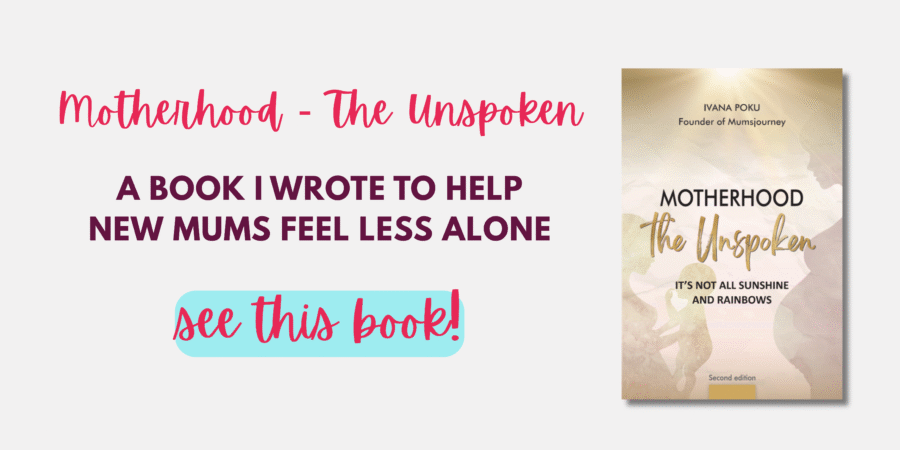
If this post made you feel understood, there’s more support waiting for you in my book Motherhood – The Unspoken.
Inside, you’ll find:
- Real stories from first time mums (including myself)
- The challenges they faced during pregnancy and early motherhood
- How they coped with difficult moments
- Lessons they wish they could tell their past selves
- Support, encouragement, and word of advice to you
And before you go, check out also my post How to Survive the Newborn Stage: A First-Time Mum’s Guide to the First 6 Months for practical tips, real life strategies, and advice from a mum who’s been there.
And here are some more posts you may enjoy:
- How To Keep Your Relationship Alive After Having a Baby
- Postpartum Mental Health: What’s Normal, What’s Not, and When to Ask for Help
- Postnatal Rage: The Hidden Emotion No One Warned M
- When Does Motherhood Get Easier? (The Honest Truth)
- How To Keep Your Relationship Alive After Having a Baby
- Postpartum Grief: Is It Normal to Miss Your Old Life After Having a Baby?
- 13 Life-Saving Tips to Cope With Postpartum Sleep Deprivation
- Advice For New Mums: Why You DON’T Have To Enjoy Every Moment of Motherhood
- Is It Normal To Regret Having a Baby?
- Postpartum Mental Health: What’s Normal, What’s Not, and When to Ask for Help
- 5 Signs of Postpartum Depression No One Talks About
FAQs
1. Is the newborn stage the hardest?
2. Why is the newborn stage so hard?
3. What are the hardest newborn weeks?
Most parents say weeks 2–6 are the hardest newborn weeks because baby feeds a lot during the day and night, they don’t get much sleep, and have no time for things they used to do. They feel like all they do now is feed and change nappies while being sleep deprived. It’s a temporary stage, but it’s extremely hard. I share tips on how to cope with lack of sleep in the post 13 life saving tips to cope with postpartum sleep deprivation.
4. How long does the newborn stage last?
The newborn stage usually lasts about 3 months, although it can feel longer. It’s the time when your baby is tiny, needs feeding all the time, and your life changes overnight. Things slowly get easier as your baby grows and starts sleeping and becoming more predictable and independent.
5. When does a newborn start sleeping through the night?
Most newborns start sleeping for longer stretches around 8–12 weeks. Some take a bit longer. It helps to remember that eventually. your baby (and you) will get into a rhythm.
6. How can I survive the newborn stage without losing myself?
Take small steps every day to care for yourself, even if it’s just two minutes of quiet or asking for help. Keep routines simple, accept support, and remember that it’s temporary. You can survive and even start enjoying your baby while looking after yourself.
7. Does it get easier after the first baby?
Often, parents find things a bit easier with the second baby because they know what to expect. But every baby changes your life and family dynamics so it can still be tough. The key is learning from your first experience.
8. When will I feel like myself again after having a baby?
You will feel more like yourself over the first few months as your baby’s routine settles and your body and mind recover. It doesn’t happen overnight, but with the right tools and support, you’ll get there. I share more in my post How to get your life back again after having a baby.
9. Can the newborn stage cause postnatal depression?
Yes, the newborn stage can make some parents feel very low, especially if they’re exhausted and struggling alone. If you ever feel hopeless or overwhelmed, please talk to someone you trust and reach out for help.