Last Updated on August 27, 2025 by Ivana Poku
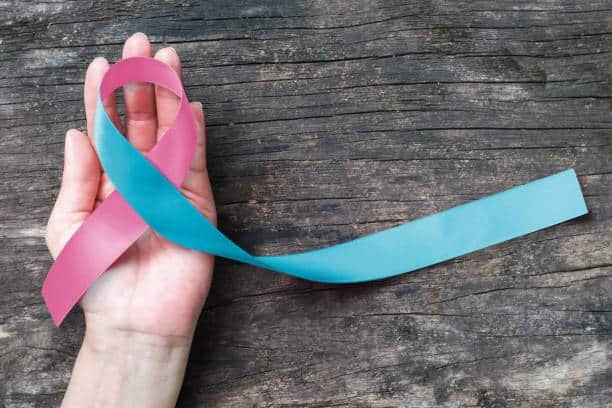
It’s Baby Loss Awareness Week, and while this is a tough subject to talk about, I feel it’s time to share my experience.
If you’ve gone through pregnancy loss, I want you to know: you are not alone.
My Unexpected Second Pregnancy
This second pregnancy was unplanned.
At first, I was shocked. But after the initial disbelief, I started to feel excited and hopeful.
Then, heartbreak hit. Before long, the baby was gone.
I kept asking myself why, but the truth is, no one can ever know 100% why a miscarriage happens.
At the time, we were already under enormous stress. Our eldest, Henry, had to undergo surgery, and I wasn’t in the relaxed state of mind that pregnancy ideally requires.
The Day It Happened
One day, I started bleeding.
We went straight to urgent care. The staff reassured me that it didn’t necessarily mean something bad, but suggested I rest.
As if “resting” is even possible in that situation.
Despite my best efforts, the bleeding didn’t stop.
On the third day, sharp cramps hit. I knew deep down what it meant, but still, I clung to hope until the very last moment.
On the brighter side, the miscarriage happened early, before I felt the baby move or heard the heartbeat.
Society’s Silence Around Miscarriage
We often hear we shouldn’t talk about pregnancy before the first trimester, just in case it doesn’t “stick.”
The idea is to avoid painful questions, but even when you don’t mention it, questions find a way.
I only told my closest family.
They were incredible, supportive, and safe.
But outside of that comfort zone, I faced a lot of anxiety.
Questions like:
-
“When are you having another?”
-
“Do you think of having another child?”
…and hearing someone announce their pregnancy felt like a sharp sword straight through the heart.
Toddler groups were the worst.
Everywhere I looked, I saw reminders of what I had lost.
Over time, I avoided these groups entirely.
Speaking Out About Miscarriage
One day, I asked myself: “Why shouldn’t I talk about it?”
Everyone copes differently, and silence isn’t always healing.
Just like when I suffered postnatal depression, talking about it helped me.
So, I admitted that we lost a baby.
The relief was immediate.
Friends reached out with support, sharing their own experiences of miscarriage, many I had no idea about.
Their words comforted me and reminded me of something crucial: miscarriage is more common than we realise.
The problem isn’t how often it happens, it’s how rarely we talk about it.
And that silence causes unnecessary pain.
The Importance of Compassion
We all have friends who may have experienced pregnancy or baby loss.
We laugh with them, joke with them, and have no idea what they are quietly going through.
This teaches us to be gentle and thoughtful when discussing pregnancy or children with anyone.
Miscarriage is nothing to be ashamed of.
It doesn’t define your worth as a woman.
Finding Hope After Miscarriage
Miscarriage is as natural as childbirth: tragic, sad, and devastating, yet part of life.
Perhaps we need to trust nature and, if you believe in a higher power, know that one day your baby may find their way back to you in another form.
Sharing this experience has helped me heal and connect with others who understand.
Baby loss may be painful, but through compassion, support, and speaking openly, we can begin to remove the stigma around it.
With love,
Ivana xx

PhDr. Ivana Poku is the author of Motherhood – The Unspoken, an award-winning blogger and maternal mental health advocate. Through her work, she is on a mission to create a world where mums feel seen, heard and supported. Ivana is also a mum of three boys, including twins, and lives with her family in a small coastal town in Scotland.