Last Updated on July 16, 2026 by Ivana Poku
Sure, they tell you about postpartum (postnatal) mental health in a hospital.
But what you get is often (or, in most cases) just an excerpt of a much bigger picture.
When your baby arrives, you are sent home with nappy samples and armed with nappy-changing skills.
If you’re lucky, you might even get some guidance on how to bathe your baby and tips on how to breastfeed.
But what quietly affects a huge number of new parents is often only mentioned marginally.
Like it’s not important or like it won’t happen to you.
Crazy.
I know this all too well. When my twins arrived, I was practically informed about postpartum life and mental health, yet when postnatal depression hit me, I didn’t recognise it.
And sadly, this happens far more often than we would like to admit.
So let’s talk about it.
Properly.
Not to scare you, but to help you.
To show you something important: if you’re struggling right now, you are not failing, and you are not alone.
But first, hello!
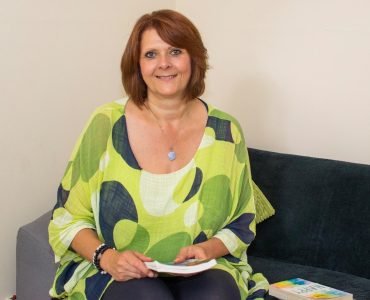
I’m Ivana, a mum of three boys (including twins), the founder of MumsJourney, and author of Motherhood: The Unspoken, on a mission to create a world where mums feel seen and supported.
After having our twins in 2016, I had severe postnatal depression. It was the worst time of my life but it also helped me realise how many (new) mums struggle in silence.
After I recovered from PPD, I set up Mumsjourney so no mum ever has to feel alone again.
My story is not special. In fact, postnatal mental health struggles are far more common people realise.
So let’s unpack why this happens – and what we can do together to change it.
Postpartum Depression Is Far More Common Than Most People Realise
Around 1 in 7 women (10–15%) experience postpartum depression. Some estimates put it between 10–15% depending on the population studied.
But these are all reported cases – so the real numbers are likely much higher.
What’s more shocking though is that half of those mums never receive a diagnosis or treatment.
So the struggle is not the problem. The silence and stigma surrounding it are.
Postpartum depression is not something that only happens to other people.
Or, as some imagine, to “crazy people”.
It could be the mum sitting next to you at baby group, or the one you see on the street smiling and looking like she’s living a dream.
It could be your sister, your best friend, or you.
It’s an illness, not something you choose to have.
Related posts:
- What is postnatal depression? Everything you need to know
- Postpartum Depression and Treatment Options: A Complete Guide
- How Long Can Postnatal Depression Last (And Will It Ever Go Away?)
-
How I Recovered From Postnatal Depression (And How You Can Too)
-
How to Help a Mum With Postpartum Depression (From a Mum Who’s Been There)
Baby Blues and Postpartum Depression Are Not the Same Thing
I admit, I’m not a fan of the term “baby blues”.
When we give it a label, it can make it sound like a condition. Like something to be scared of or avoided.
To me, what we describe as the “baby blues” are natural and expected feelings during the transition into motherhood.
It’s that period when you cry, feel lonely, excited, sad, happy, and confused – sometimes all at the same time.
These feelings usually settle within the first two weeks after birth.
Postpartum depression is different. It’s is a serious illness that often needs treatment and support. Unlike “baby blues”, it usually doesn’t dissapear on its own.
It can show up as:
- hopelessness
- being overprotective
- constant crying
- feeling like you’re failing
- feeling disconnected from your baby
- thoughts of harming yourself or your baby
I talk the symptoms in more detail in my post 10 Postnatal depression: signs & symtoms (what no one tells you).
Postnatal depression and “baby blues” are often confused, which can lead to a real harm.
Because when you think you’ve just got the “blues,” you might wait and wait. You hope it will pass. But you need help and support right now.
This was the case for me too. That’s why I always say it doesn’t matter whether it’s the baby blues or depression – if you’re struggling, you deserve help.
Even if it isn’t depression, ignoring your feelings and not seeking support can allow things to get worse.
Postpartum Anxiety is Just As Common As Depression
Luckily, people have started talking about postpartum depression much more compared to previous decades.
But they still don’t talk enough about postpartum anxiety, which is just as common.
Depending on how it’s measured, studies estimate that postpartum anxiety affects anywhere from around 17% to over 30% of new mums.
Anxiety and depression often occur together.
Postpartum anxiety can look like:
- A racing mind that won’t switch off – ever
- Constant “what if” spirals about something going wrong
- A feeling of dread you can’t explain
- Checking on your baby over and over, even when you know they’re fine
Postnatal anxiety can feel scary and uncomfortable, but it is just as treatable as depression.
Scary Intrusive Thoughts Are Surprisingly Common After Birth
This one is always hard to write about, but it’s extremely important.
And extremely common.
Research by Abramowitz et al. found that around 91% of new mothers reported experiencing intrusive thoughts about accidental harm coming to their baby.
Thoughts like:
- dropping the baby down the stairs
- the knife on the counter
- the baby being injured
These thoughts can pop out of nowhere and make you feel like a monster for having them.
But the good news is that having these thoughts does not mean you want to act on them or that you will act on them.
In fact, the opposite is usually true.
You can have a strange, dark thought and still be a completely safe, loving parent.
I talk more about intrusive thoughts and where they come from in my post “Intrusive Thoughts After Having a Baby: Why Your Brain Does This”.
Between 2% and 9% of new mothers experience postpartum OCD. This is when the thoughts become so frequent and distressing that they interfere with your daily life and can trigger compulsive behaviours (like constantly checking that your baby is breathing).
That’s a real, treatable condition.
Postpartum Psychosis Is Rare – but Needs Immediate Help
Postpartum psychosis is perhaps one of the most frightening conditions – both because of the name and because of the illness itself.
It’s rare – it affects around 1 to 2 women in every 1,000 births – and it’s serious.
It usually comes on quickly – often within the first two weeks after giving birth.
It can involve:
- confused thinking
- seeing or hearing things that aren’t there
- feeling wildly different from your normal self
Postpartum psychosis is a medical emergency, not something to wait out. If you or someone close to you experiences these signs, get help immediately — call 999 (UK), 911 (US), or go to A&E.
You may also like:
- Why Mum Burnout Is NOT a Badge of Honour (And Why We Need to Stop Glorifying Sacrifice)
- Why Crying in Front of Your Child Can Be Healthy
- How to Find Time for Self-Care as a Busy Mum (Without Adding More Pressure)
- Postnatal Anxiety Explained: Why You Feel Constantly On Edge After Birth
Some New Parents Are at Higher Risk Than Others
Every mum faces different struggles.
There’s no competition or comparing which struggle is more serious than another.
They are all important, and if you’re struggling, you deserve to seek help.
When you struggle mentally, it doesn’t mean you’re weak. It’s also not something you can control through willpower.
Don’t let anyone tell you otherwise.
Becoming a mum is not easy, and struggling to cope is more common than motherhood books, antenatal classes, Google, doctors, midwives, or anyone else talks about.
If that’s you, please don’t add guilt on top of everything else you’re already carrying.
You’re going through the biggest transformation of your life, so all your feelings (however scary) are valid.
Postpartum Depression Can Affect Dads and Partners Too
Now, postpartum mental sgtruggles don’t only concern mums.
Roughly 1 in 10 new dads goes through postpartum depression too.
And if a mum is struggling with postpartum depression, her partner’s risk of depression goes up significantly.
Struggling parents often struggle quietly together, each one assuming they need to hold it together for the other.
If you’re a partner reading this – your mental health matters too.
See also my post Can Men Get Postnatal Depression? Signs, Causes & How to Get Help.
Postpartum Depression Doesn’t Always Start Straight After Birth
Postpartum depression doesn’t always happen after birth.
Sometimes it can show up months later.
More than half of mums who had depressive symptoms nine to ten months after birth hadn’t shown any signs earlier on.
More than half of mums who had depressive symptoms nine to ten months after birth hadn’t shown any signs earlier on.
This means feeling fine at six weeks doesn’t guarantee you’ll feel fine at six months.
And that hecking in on yourself shouldn’t stop after your six-week appointment.
Keep checking in at:
- three months
- six months
- nine months
- a whole year.
Your mental health needs that same attention your baby’s growth gets at every check up.
Previous Postpartum Depression Increases the Risk Next Time
If you had postpartum depression after your previous baby, your chances of getting it again with your next one go up by as much as 30-50%.
I’m not saying this to scare you off having more kids. I’m saying this to help you be ready and get the right support.
Because if you know this ahead of time, you and your midwife or doctor can make a plan before the baby arrives.
And this can truly be life-changing- or even life-saving.
Too Many Parents Never Get the Help They Need
Ok, now let’s talk about the most horrific number.
Studies suggest that well over half of women with maternal mental health conditions never receive adequate treatment.
Not because the struggle is rare, but because the support isn’t there.
(It even rhymes. I should use it as a strapline somewhere.)
As well as stigma, there is also a lack of education about life after having a baby.
These conditions don’t just impact individual families. They affect society too. Untreated maternal mental health conditions cost society billions every year through healthcare costs, lost income, and long-term impacts on families.
Behind every one of those figures is a mum who felt ashamed to send a text. A mum who didn’t get a phone call returned. A dad who felt like he was failing. A family quietly struggling in a house that looked completely fine from the outside.
Many new mums hide or minimise their symptoms because they’re afraid of being judged as a bad mother.
Think about that for a second.
Many women aren’t staying silent because they don’t need help. They’re staying silent because they’re terrified of what people will think.
Why So Many New Mums Stay Silent About Their Mental Health
Sadly, too many mothers say they’ve felt judged or dismissed when talking about their mental health after having a baby.
That shame is the reason so many parents smile through baby group, nod along in the WhatsApp chat, and then go home and cry alone.
If you’re one of these parens, please know this:
You. are. not. alone.
Related posts:
- Why My Postnatal Depression Was Never Diagnosed
- Why Mums Are Worried To Talk About Mental Health
- Are Antenatal Classes Contributing to Postnatal Depression?
- How Honesty Can Stop Mum Burnout & Save Your Sanity
- Preventing Postpartum Depression Is Simple – So Why Aren’t We?
Suicide Is Still One of the Leading Causes of Maternal Death
Now, let’s get to the most serious part of this post:
Suicide.
According to WHO, suicide remains one of the leading causes of maternal death during the first year after giving birth.
And shockingly (or perhaps not), many of those mothers had not seen a mental health professional in the month before their death.
That’s not a failure on their part. That’s a system failure.
If you are having thoughts of harming yourself, please don’t sit with that alone.
If you’re in the UK, you can contact:
- Samaritans — call 116 123 for free, any time of day or night
- NHS urgent mental health support — call or text 111
- Emergency support — if you or someone else is in immediate danger, call 999
If you’re in the US, you can contact:
- 988 Suicide & Crisis Lifeline – call or text 988 (24/7)
- Postpartum Support International (PSI) Helpline – 1-800-944-4773 (call or text)
- Crisis Text Line – text HOME to 741741
Reaching out is the single bravest thing you can do.
What I Hope You Take Away From This:
If something in your chest went “that’s me” while reading this post, I want you to hear this clearly: struggling doesn’t mean you’re failing as a new mum.
It means you’re a new mum.
Your life has changed overthing, and you grew and delivered a whole new human. I don’t think many of us realise how big this is.
Therefore, postpartum mental health struggles are very common.
And they should absolutely be part of every single conversation about having a baby – not a whispered secret.
The World Health Organization estimates that around 10% of women experience a mental health disorder during pregnancy and about 13% after childbirth worldwide.
The next step is to speak up and reach out for help.
It doesn’t have to be anythig “big” or too complicaed.
It’s one word, one phone call, one message, one text.
You got through the pregnancy and birth, and you will get through this too.
Jus please don’t do it alone. You were never suposed to.
And if you’re reading this feeling completely fine, share it with a friend who just had a baby. Send it to your sister, your neighbour, or the mum in your antenatal group chat.
You never know who is quietly Googling their own symptoms, wondering if what they’re feeling even has a name.
Now they’ll know it does – and that knowledge could change everything for them.
If you have any questions, please drop them in the comments or email me at ivana.poku@mumsjourney.com.
Resources used:
Before You Go…

PhDr. Ivana Poku is the author of Motherhood – The Unspoken, an award-winning blogger and maternal mental health advocate. Through her work, she is on a mission to create a world where mums feel seen, heard and supported. Ivana is also a mum of three boys, including twins, and lives with her family in a small coastal town in Scotland.